
Signs of Low HGH Levels and When to Seek Medical Advice
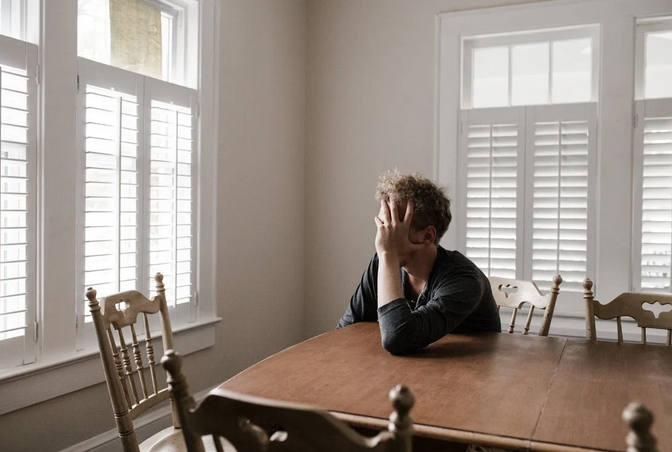
Low HGH levels can affect everything from your energy and mood to how your body builds muscle and manages weight, yet the symptoms often go unnoticed. Many people attribute these changes to aging or busy routines without realizing a hormonal imbalance may be the cause. Resources that explain early warning signs often emphasize that they cover it in detail, helping individuals understand what to look for before the issue becomes more serious. Recognizing these subtle signals early makes a big difference in getting the right medical support. This article explores the key signs of low HGH levels and when it’s time to seek professional advice.
Persistent Fatigue That Affects Daily Activities
One of the most noticeable signs of low HGH levels is constant tiredness. It is the kind of fatigue that lingers even after a full night of sleep and refuses to fade throughout the day. Instead of bouncing back after rest, you may feel like your energy never reaches the level it once did. This change affects work, workouts, and general motivation. Some people find that a simple task feels heavier than it should. While many issues can cause fatigue, a lasting drop in stamina combined with other symptoms may point to a hormonal imbalance that deserves medical attention and proper evaluation.
Slower Muscle Recovery and Reduced Strength
Muscle repair relies heavily on the right hormonal balance. When HGH levels fall, the body struggles to rebuild tissue after exercise or physical exertion. You might notice soreness that lasts longer than usual or workouts that feel much harder than they used to. Strength gains become slower, and in some cases, you may even lose muscle without changing your routine. This shift can be frustrating, especially for people who enjoy an active lifestyle. It signals that the body is working harder behind the scenes. If the slowdown continues despite consistent habits, it may be time to consult a specialist who can assess whether hormone levels are part of the issue.
Increased Body Fat and Difficulty Managing Weight
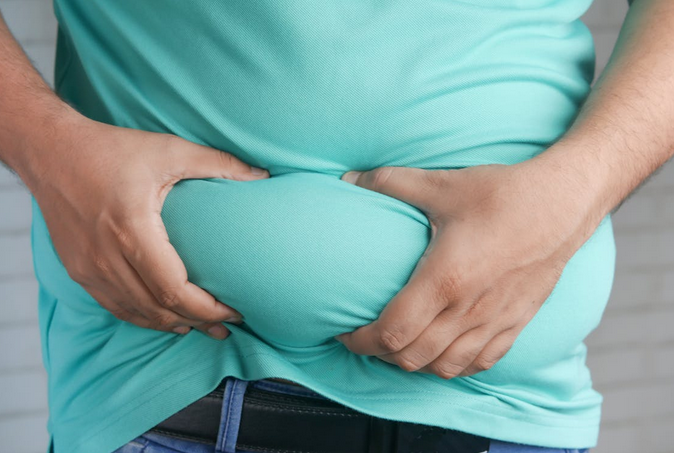
Another common sign of low HGH levels is a gradual increase in body fat, especially around the stomach. This change can happen even when diet, sleep, and activity remain the same. Many people describe it as a stubborn layer that refuses to move, no matter how much effort they put in. Since HGH plays a role in how the body uses energy, a drop often shifts the balance toward fat storage. If weight changes appear without a clear reason, it is worth discussing them with a medical professional who can rule out other causes and help determine whether hormone testing is necessary.
Mood Changes and Trouble Sleeping
Low HGH levels can influence both mood and sleep quality. Some people experience irritability, low motivation, or a general sense of uneasiness that feels unfamiliar. Others struggle to fall asleep or stay asleep, which creates a cycle that worsens overall well-being. These changes can sneak up slowly, making them easy to overlook. However, when mood shifts and poor sleep happen together with physical symptoms, they may point to an underlying hormonal problem. Speaking with a healthcare provider can help you break the cycle and understand what your body is trying to communicate.
Recognizing the signs of low HGH levels is an important part of staying in control of your health. Persistent fatigue, slow muscle recovery, increased body fat, and unexpected mood changes are signals worth paying attention to. These symptoms do not confirm a diagnosis on their own, but they provide useful information that can guide a thoughtful conversation with a medical professional. By seeking advice early, you give yourself the best chance to restore balance and support long-term wellness. Listening to your body is the first step toward feeling stronger and more energized again.…